
Cairo: Old Soul, New Beats
Meandering through the sands of history.
Maria Mishra
On a recent trip to Cairo, the Egyptian Arabic language was a problem. En route to my hotel, the cab driver explained the sites we were passing. I could barely understand what he was saying, but Google Translate helped me grasp snatches of his commentary.
During my drive to the hotel, Cairo announced itself in layers. Ancient and contemporary at once, held together by the slow, eternal flow of the Nile. The river cuts through the city like a living memory, its banks busy with feluccas gliding past concrete skylines, palm-fringed islands, and cafés where Cairenes (Cairo residents) pause for tea as the water catches the evening light. In Cairo, the Nile is not just a scenery, it is a pulse that has held the nation for many a millennium.

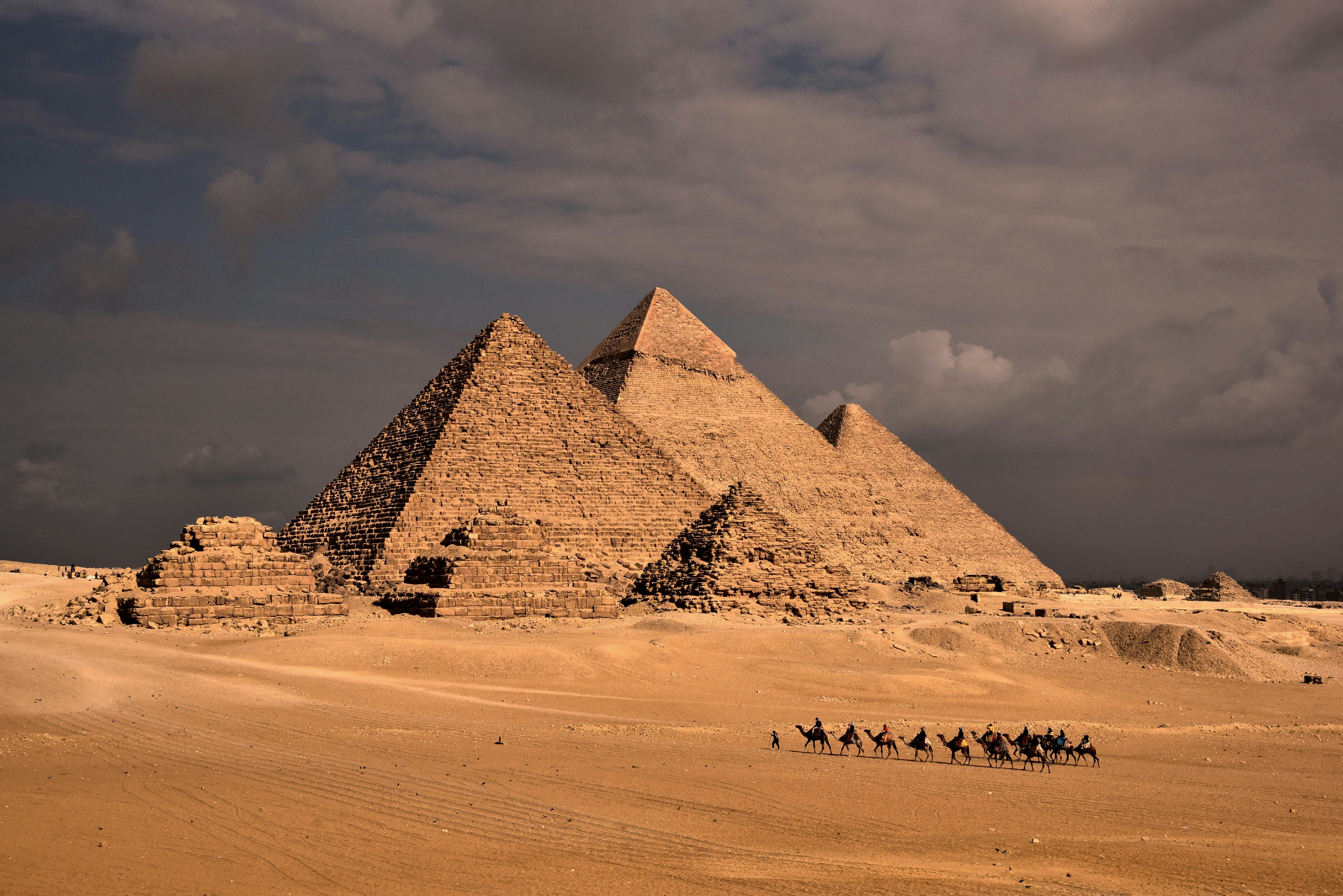
Beyond the city’s restless rhythm rise the pyramids of Giza, improbably calm against the desert sky. They appear suddenly, almost theatrically, beyond flyovers and neighbourhoods. I stayed close to Cairo's timeless pyramids. A ride to the Pyramids of Giza by horse cart (tonga) is both charming and surreal: the clip-clop of hooves on sand, the scent of dust and hay, and the sight of the Great Pyramid growing larger with every step was dramatic. It is a reminder that here history is not cordoned off, it is experienced in the pulse of every beat. At the pyramids, while it's a stunning attraction, you need to be careful of the locals operating in the area. They use all the high-pressure tactics to get money from tourists.
After our visit to the Pyramids, we drove down to the local market area around El-Ghouri Street, across the Nile in Cairo, which is part of the sprawling Khan el-Khalili district. This historic area near Al-Azhar is known for textiles, spices, and authentic local crafts rather than just touristy souvenirs.
Step back into the present in Cairo’s colourful local markets. In Khan el-Khalili and lesser-known souks, lanterns glow in brass and glass, spices pile up in fragrant mounds, and vendors call out with easy humour. These lanes are alive with bargaining, storytelling, and the hum of daily life - every bit like Indian cities with their chaotic, intimate, irresistible charm.
Cairo’s cuisine mirrors its character - robust, comforting, and deeply rooted. From smoky grills and shawarma stands to plates of koshari layered with lentils, rice, pasta, and tangy tomato sauce, the food is honest and filling. Fresh baladi bread at breakfast and sweet kunafa by night make eating in Cairo a journey of its own. It reminded me of the Lajpat Nagar Market back home in Delhi.

The showstopper of my visit was Cairo's stunning new museum! The story of Egypt unfolds at the Grand Egyptian Museum, where millennia are curated with breathtaking scale and clarity. Colossal statues, intricate reliefs, and the treasures of Tutankhamun are displayed in spaces flooded with light, allowing the past to breathe. The museum is not merely a repository but a bridge - connecting ancient craftsmanship to modern Egypt’s pride in its heritage. I would recommend prospective visitors buy tickets online to avoid the long wait at the ticket counters. An absolute must-visit for art, history, and culture buffs!

Architecturally, the city wears its history in arches and ornaments. Islamic Cairo reveals mosques and madrasas adorned with pointed arches, carved stone, and wooden mashrabiya screens. Coptic Cairo is yet another dimension of the city worth exploring. Even ordinary buildings carry traces of elegance from arched doorways to inner courtyards, hinting at the grandeur of bygone eras.
Cairo does not ask to be understood quickly. It rewards those who linger, pause, and immerse themselves by the river, in the markets, beneath the pyramids — listening as the city tells its many stories!